Welcome to my tech blog. Here I share insights, tutorials, and deep-dives into modern web development, full-stack architectures, and software engineering practices.
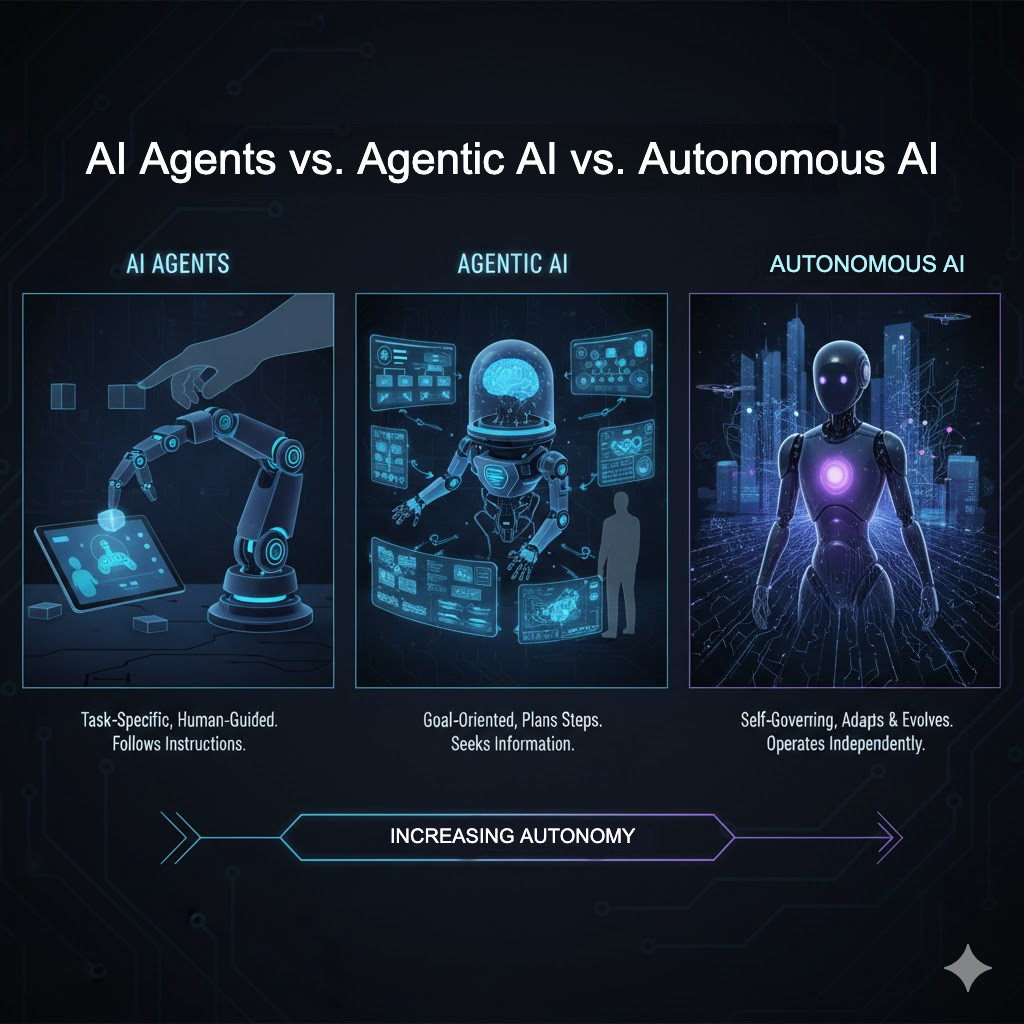
As AI moves past pure generation, autonomous agents are poised to reshape engineering workflows, empowering developers to orchestrate complex systems rather than just write foundational code.

AI is no longer a peripheral tool; it's the core of modern software development. This post explores the profound shift from AI copilots to autonomous agents, the evolving role of developers as orchestrators, and the critical challenges of technical debt and trust in the AI-powered SDLC.

Seven newly disclosed vulnerabilities in the ubiquitous FatFs filesystem library expose millions of embedded devices to denial-of-service and potential remote code execution risks, complicating patching due to its deep integration.
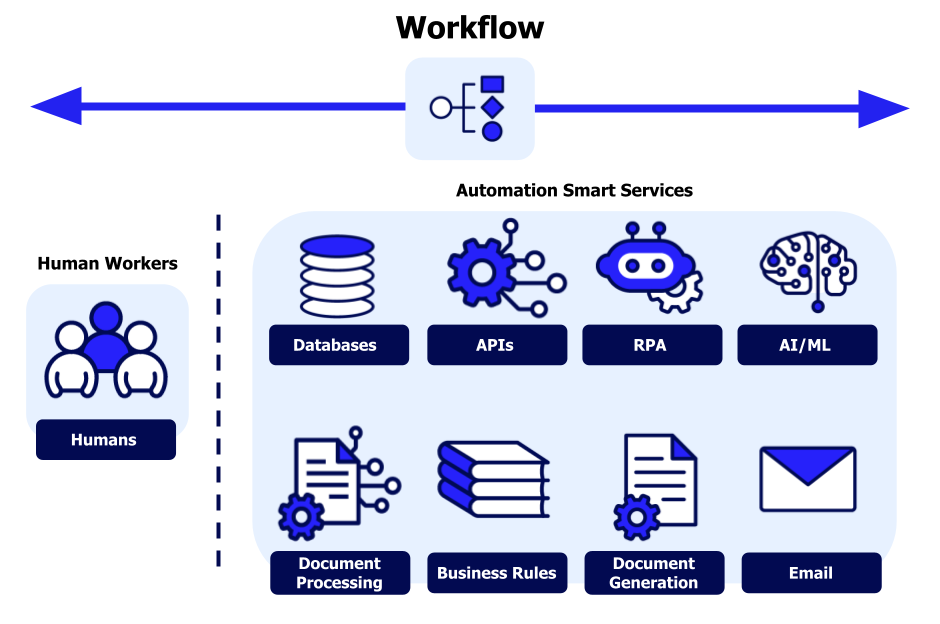
AI tools are profoundly reshaping how we build software, from code generation to security. This post examines their practical impact and essential best practices for developers leveraging AI in their daily workflows.
The shift from single-prompt LLMs to autonomous, goal-driven AI agents is fundamentally changing application architecture. This post explores what AI agents are, how agentic frameworks enable their robust development, and the critical considerations for building reliable systems in 2026.
The era of single-prompt AI is fading. As autonomous agents become a critical layer in application architecture, understanding agentic frameworks is crucial for building scalable, reliable, and observable systems.