Welcome to my tech blog. Here I share insights, tutorials, and deep-dives into modern web development, full-stack architectures, and software engineering practices.

Generative AI is reshaping software development. This post cuts through the buzz to examine its real impact on individual developers and team performance, offering practical strategies for effective adoption and risk mitigation.
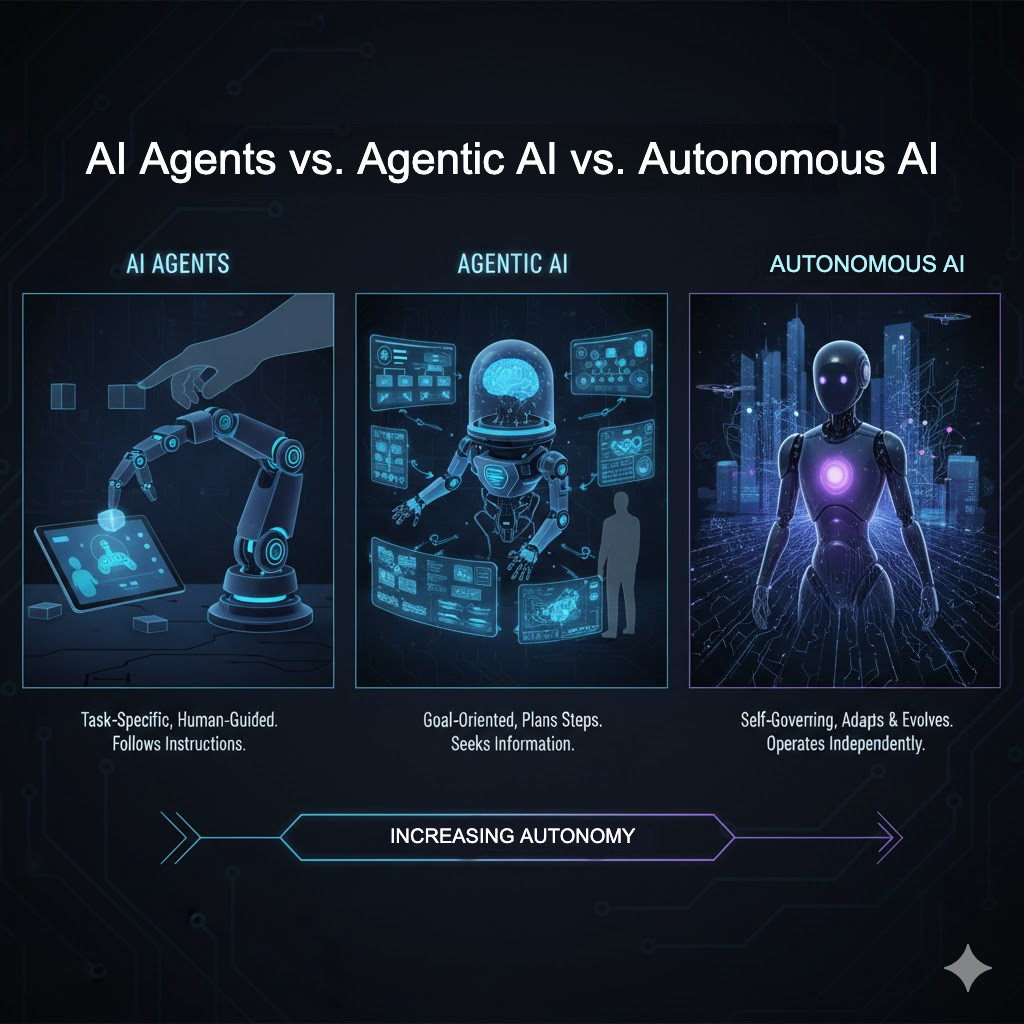
Agentic AI represents a significant shift in artificial intelligence, moving beyond generative models to systems that act autonomously to achieve complex goals. This post explores its core principles, practical implications, and the engineering challenges developers face.
A pragmatic look into the current state of AI coding agents, exploring their converging architectures, evolving categories, and the practical implications for software developers shifting from direct coding to strategic agent management.
Moving past traditional AI's reactive nature, autonomous agents are redefining how software operates by planning, acting, and adapting independently to achieve complex goals in real-world environments.
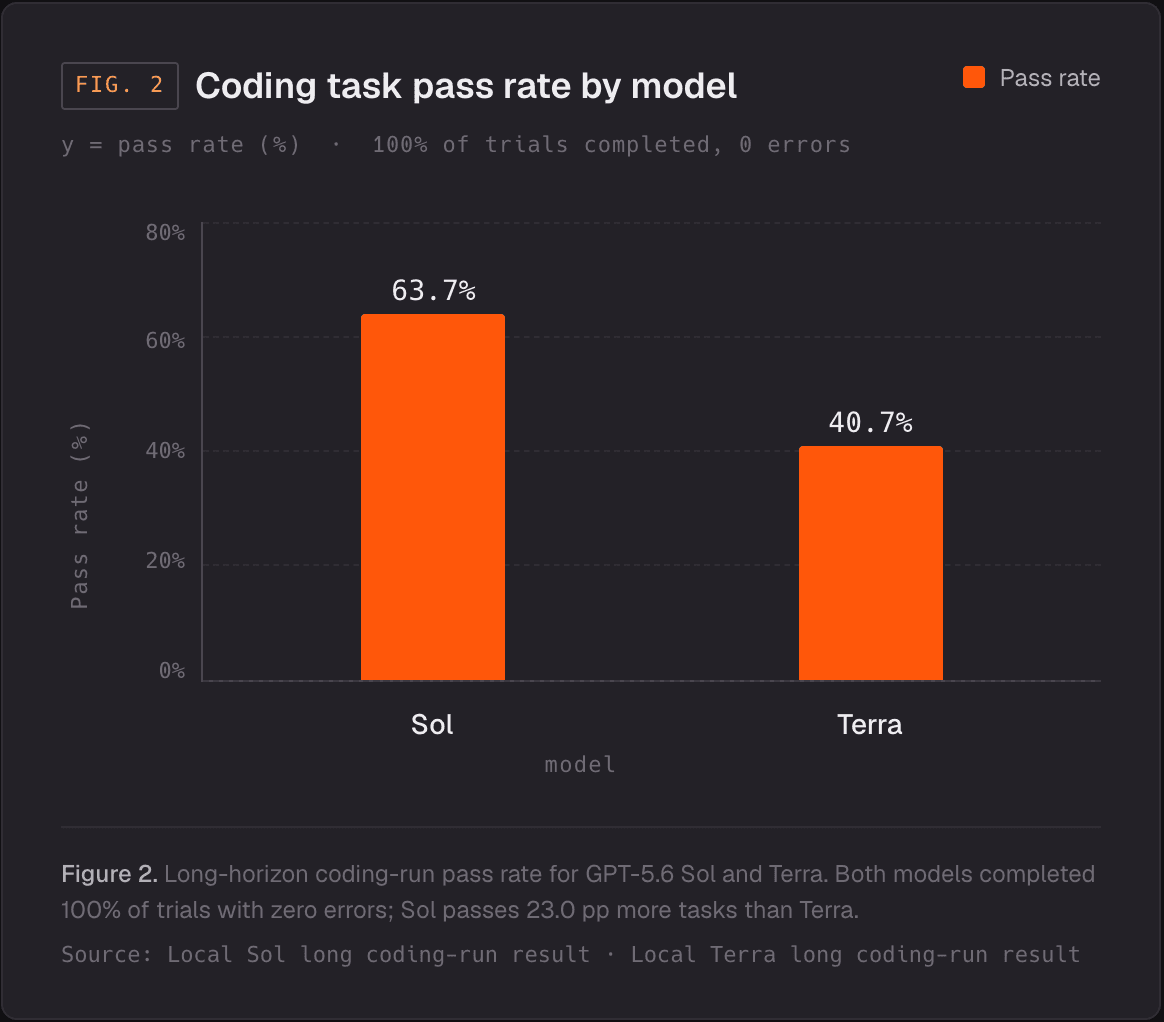
OpenAI's latest GPT-5.6 family, particularly Sol, is reshaping the landscape for AI-powered development by delivering superior benchmark performance across coding and agentic tasks, coupled with significant cost efficiencies.
Agentic AI promises a fundamental shift from assisted coding to orchestrated development workflows. We explore its core principles, architectural implications, and the practicalities for engineering robust autonomous systems.