Welcome to my tech blog. Here I share insights, tutorials, and deep-dives into modern web development, full-stack architectures, and software engineering practices.
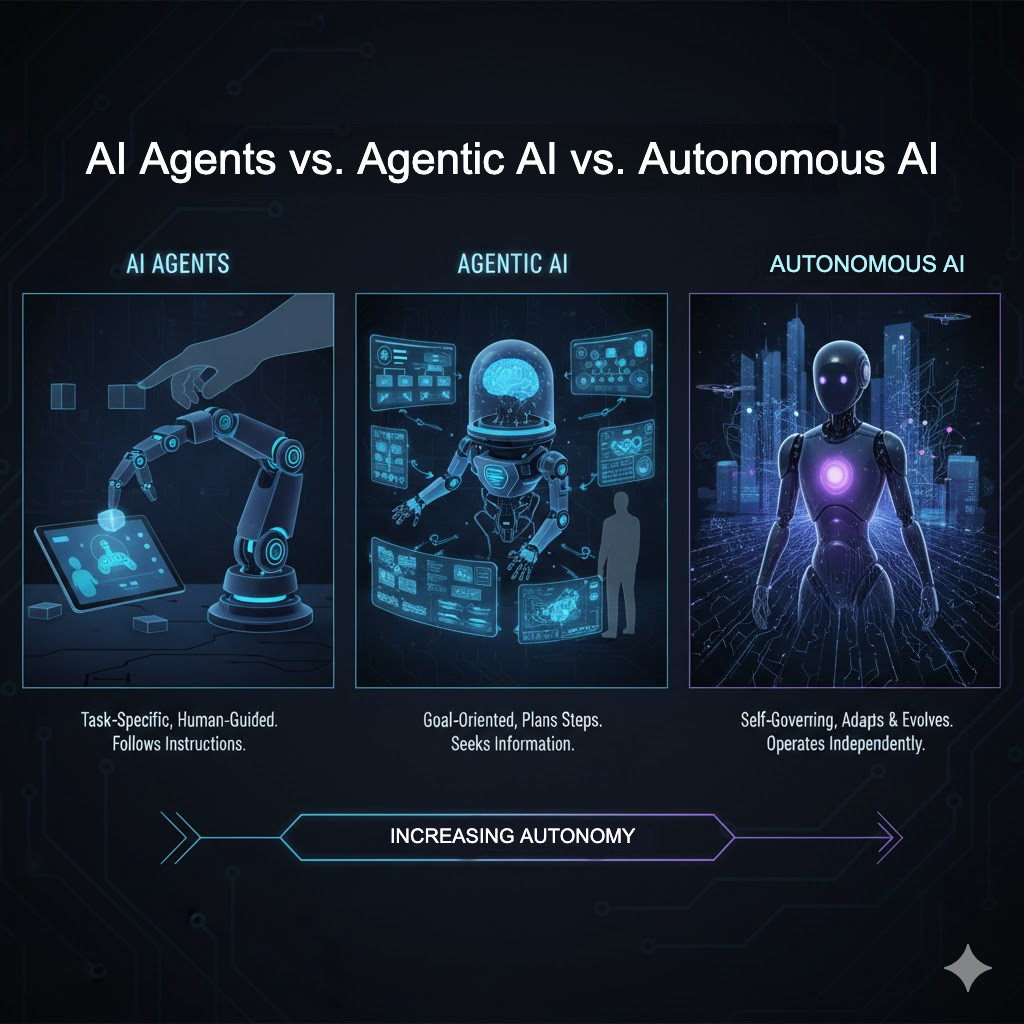
Autonomous AI agents are shifting from impressive demos to critical enterprise infrastructure. This post dissects the architectural foundations, infrastructure demands, and practical challenges developers face in deploying truly agentic systems.
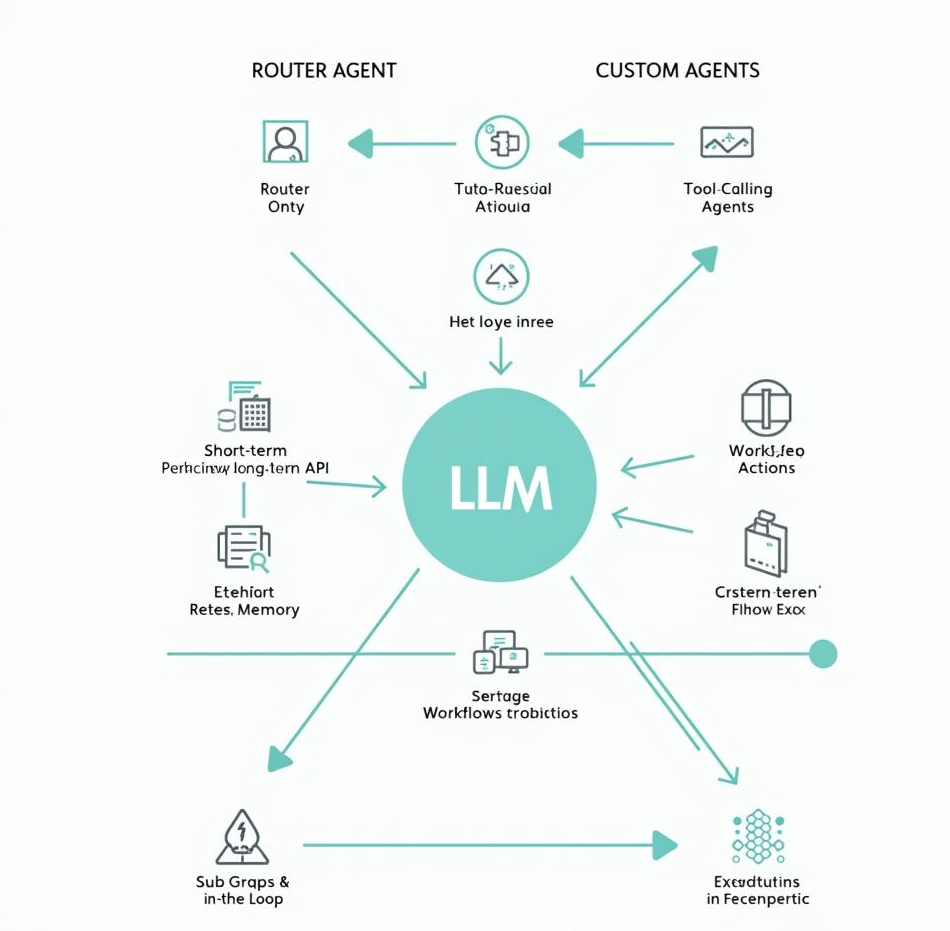
The landscape of AI development is shifting from single-prompt interactions to robust, goal-driven agentic systems. This post explores the core components, architectural patterns, and frameworks enabling developers to build truly autonomous LLM-powered applications.
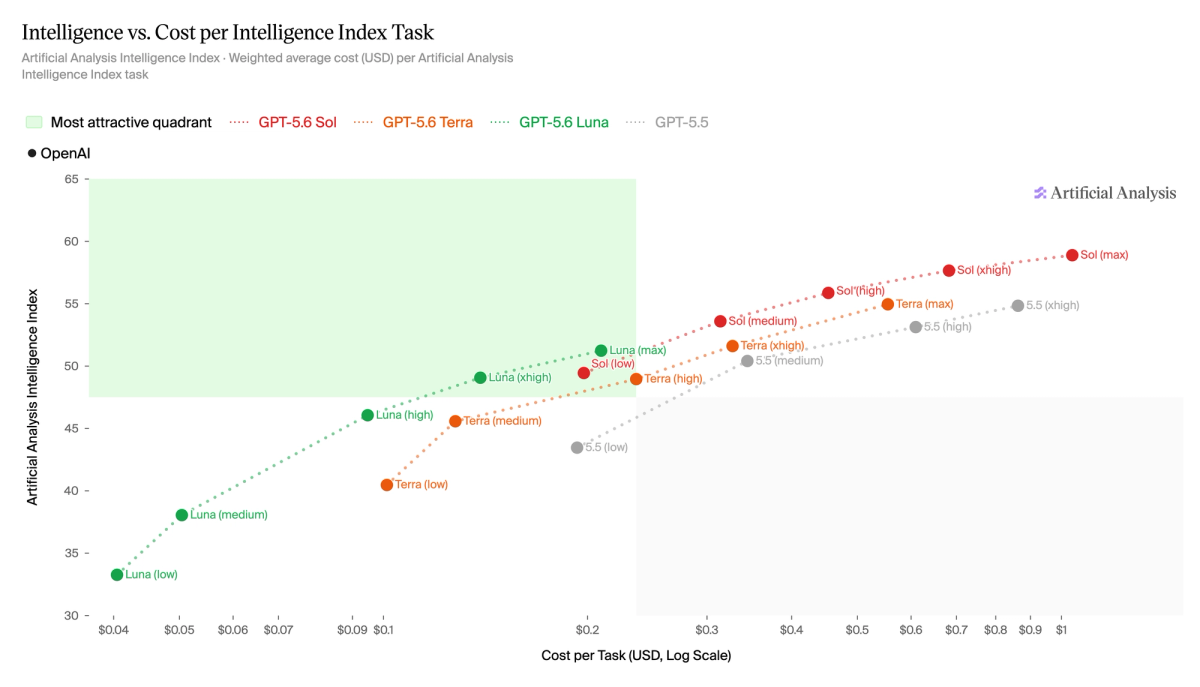
OpenAI's GPT-5.6 introduces distinct Sol, Terra, and Luna tiers. For developers, understanding their cost-performance tradeoffs is crucial for optimizing workflows, especially in agentic architectures.
Agentic AI heralds a shift from reactive generative models to proactive, autonomous systems. As developers, understanding this evolution means grappling with new architectural patterns, data requirements, and the profound implications of building self-directed software.
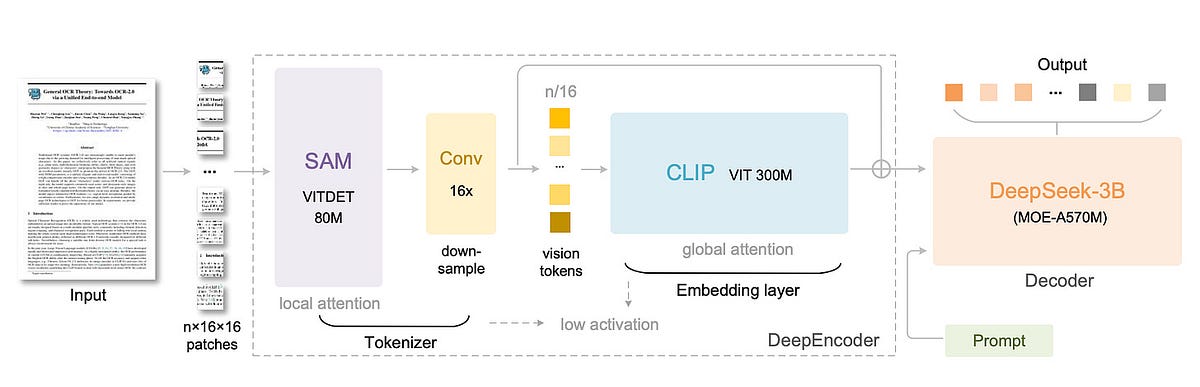
DeepSeek-OCR challenges the textual token bottleneck in LLMs, demonstrating how visual modality can compress long contexts by up to 10x, enabling more efficient and scalable language models.
Autonomous AI agents are transitioning from conceptual discussions to practical tools, fundamentally altering how we approach software development. This post explores their architecture, impact on productivity, and the evolving role of the developer.